In the food service and hospitality industries, procurement is rarely about finding the absolute lowest price on a given Tuesday morning; it is about forecasting stability, cash-flow predictability, and eliminating supply interruptions during high-occupancy seasons.
1. The Hidden Perils of the Spot Buying Market
Many restaurant owners and purchasing officers in Doha operate on spot purchases, chasing weekly discounts across different wholesale distributors. While this approach may occasionally yield marginal short-term savings during oversupplied weeks, it exposes the business to severe vulnerabilities:
- Seasonal Price Spikes: During Ramadan, Eid Al-Fitr, Qatar National Day, and the winter tourist high season, spot poultry and egg prices can spike by 25% to 40% overnight.
- Inconsistent Specifications: Switching between random suppliers leads to varying bird sizes, different moisture levels, and erratic egg grading that disrupts kitchen standardization.
- Rationing & Stockouts: When international supply chains tighten, spot buyers are the first to experience cut orders and delayed deliveries.
The Power of Annual Volume Agreements
By entering into a structured quarterly or annual supply agreement with an established institutional importer like Nawary Trading, hospitality groups transform unpredictable variable costs into stable, predictable balance sheet lines.
Contracted buyers receive dedicated warehouse shelf space, scheduled daily or bi-weekly morning deliveries, and guaranteed price ceilings that insulate food & beverage budgets from international freight fluctuations and feed grain volatility.
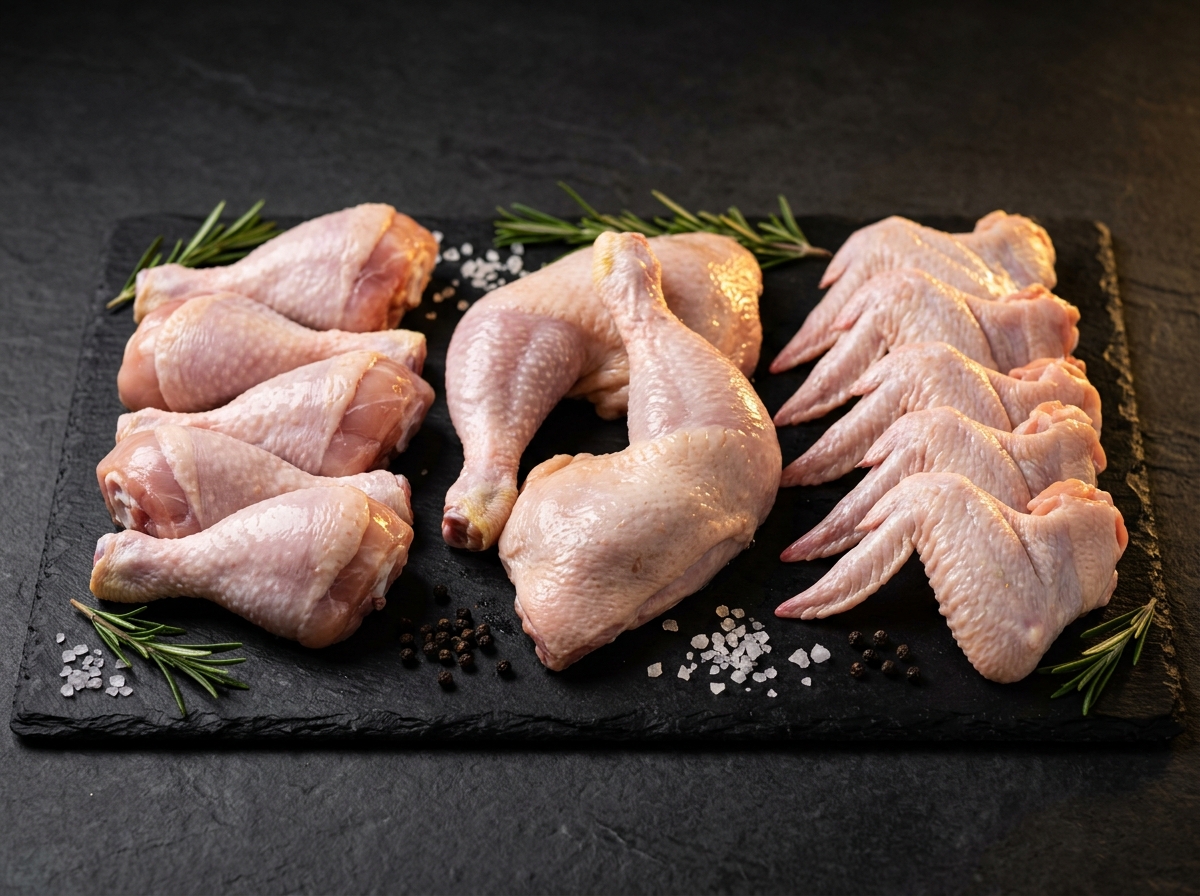
2. Contracted Procurement vs. Spot Buying: Financial Breakdown
| Operational Metric | Spot Market Purchasing | Nawary Annual Supply Agreement |
|---|---|---|
| Price Volatility | High (fluctuates weekly with GCC spot rates) | Locked or Indexed with Fixed Price Ceilings |
| Volume Guarantee | Subject to daily distributor availability | 100% Reserved Buffer Stock in Doha Warehouses |
| Delivery Service Level (SLA) | Standard queue, flexible drop-off hours | Guaranteed morning dispatch prior to 07:00 AM |
| Quality & Calibration | Variable brands and fluctuating calibers | Uniform Grade-A specifications and Halal batch coding |
| Payment & Credit Terms | Cash on delivery or short 7-day terms | Structured commercial credit facilities for vetted accounts |
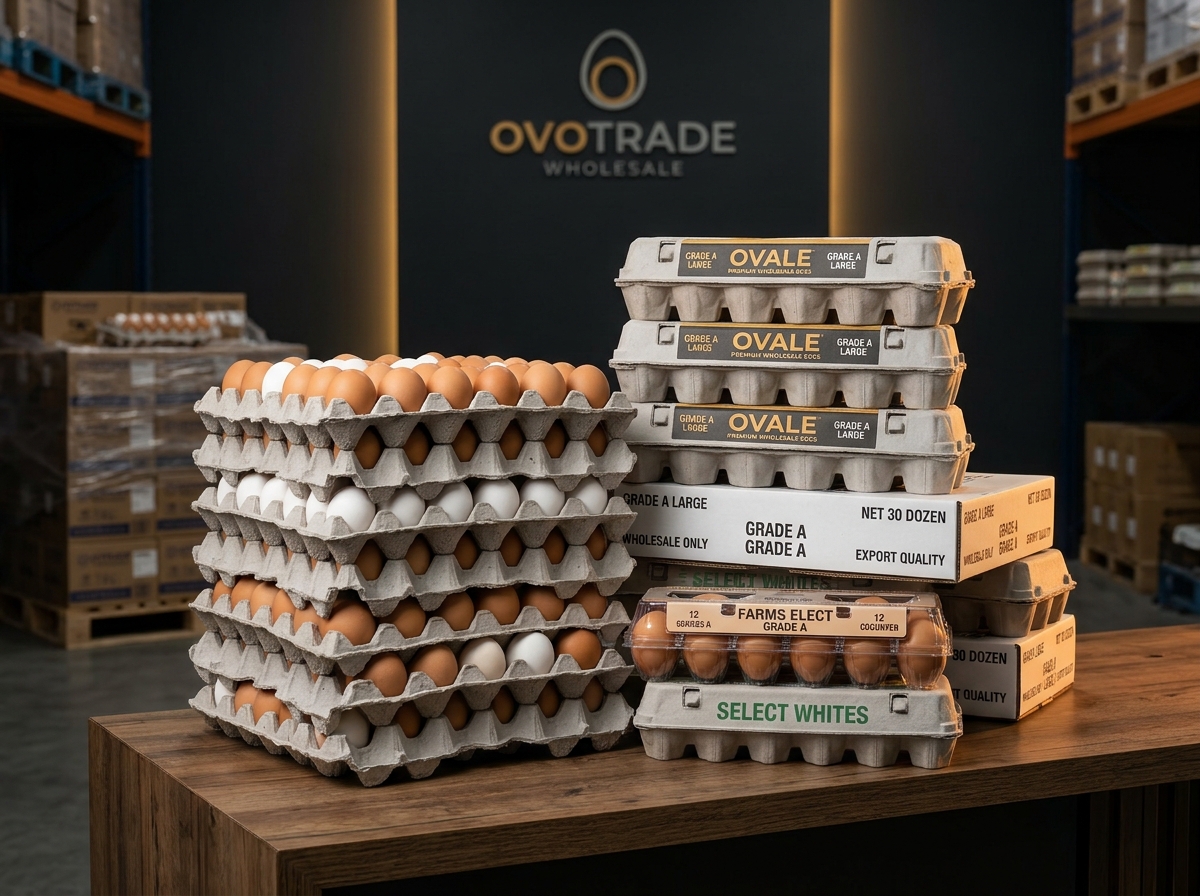
How to Structure an Institutional SLA
When drafting a supply contract with Nawary Trading, procurement directors define exact parameters:
- Rolling Forecasts: 30-day and 90-day volume projections allowing us to coordinate forward freight routes.
- Buffer Stock Mandates: Maintaining a minimum of 14 to 21 days of reserve inventory in Doha specifically ear-marked for your brand.
- Emergency Response Cadence: Same-day dispatch capabilities for unexpected banquet surges or sudden high-profile bookings.
F&B Margin Defense
Food cost targets in luxury hospitality generally hover between 28% and 32%. A sudden 15% increase in poultry wholesale spot prices can wipe out an entire outlet's quarterly operating margin. Securing volume pricing through Nawary provides the financial predictability required to maintain target profit ratios.
Request Institutional Pricing & Sourcing Specifications
Connect directly with Nawary Trading's commercial procurement team. Receive customized volume allocations, temperature-log certs, and scheduled delivery schedules for your Qatar establishment.